 (03) 9900 1010

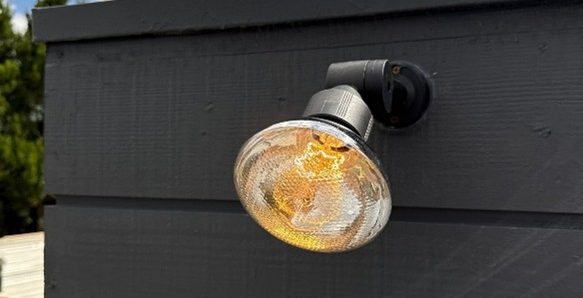
If your Melbourne home still runs on halogen downlights, an LED downlight retrofit is one of the most cost-effective upgrades you can make. Halogen globes are energy-hungry by modern standards, and with LED technology now well-established and affordable, the case for switching is hard to argue with.
According to the Government website, Melbourne homeowners see lighting running costs drop by 75 to 85% after making the change.
This guide covers how the upgrade works, what you can realistically expect to save, and how to choose the right LEDs for your home.
Why Halogen Downlights are Worth Replacing
Halogen downlights were the go-to choice for Australian homes through the 1990s and 2000s. They produce good light quality, they’re widely compatible, and until recently they were simply what builders and electricians installed. The problem is efficiency. A standard halogen downlight uses 35 to 50 watts. A comparable LED uses around 6 to 10 watts.
In a home with 20 downlights, that difference adds up fast. Run them for four hours a day and a halogen setup draws roughly 2.8 to 4 kilowatt-hours of electricity. The equivalent LED setup draws around 0.5 to 0.8 kilowatt-hours. At Melbourne electricity rates, that’s a meaningful difference on every quarterly bill.
Beyond running costs, halogen globes also generate significant heat. That matters if your downlights are near insulation, and it adds slightly to your cooling load in summer.
The Numbers: How Much Can You Save?
The savings from a halogen to LED conversion depend on how many downlights you have, how often they’re on, and the specific globes being replaced. For a typical Melbourne home:
- A 50W halogen replaced with an 8W LED saves 42 watts per fitting
- With 20 fittings running 4 hours daily, that’s around 1,225 kWh saved per year
- At an average Melbourne electricity rate of around 30 cents per kWh, that’s roughly $370 a year back in your pocket
The up-front cost of the retrofit varies depending on the number of lights, the type of fittings needed, and whether any transformers or wiring need updating. Most LED downlight installation jobs pay for themselves within one to three years of the switch.
The Halogen to LED Conversion Process
A halogen to LED conversion is generally straightforward, but it does need to be carried out by a licensed electrician. Here’s what the process typically involves:
- Assessment: Your electrician checks the existing fittings, transformer type, and wiring condition. Many older halogens run on 12-volt transformers that aren’t compatible with LED drivers, so these are identified at this stage.
- Transformer or driver replacement: If the existing transformers need replacing, this is done before the LED downlights are fitted. Modern LED drivers are smaller, more efficient, and built to last.
- Fitting installation: In most cases, LED downlights fit directly into the existing ceiling hole. The cutout size is typically the same, which makes the swap clean and quick.
- Testing: Once all fittings are installed, the electrician tests each circuit and confirms dimmer compatibility where relevant.
Choosing the Right LED Downlights
Not all LED downlights are equal, and the right choice depends on how and where they’ll be used. A few things worth knowing:
Colour temperature
Measured in Kelvin. Warm white (2700K to 3000K) suits living rooms and bedrooms. Cool white (4000K) works well in kitchens and bathrooms. Daylight (5000K and above) is best for task lighting or workspaces.
IC rating
If your home has insulation above the ceiling, you need IC-rated (insulation contact) downlights. Non-IC fittings need a clearance gap, which can be a fire risk if covered. Always check this.
Dimmer compatibility
Not all LED downlights work with standard dimmer switches. If you want to keep your dimmers, make sure the LEDs you choose are rated as dimmable and compatible with your existing switch type.
IP rating for wet areas
Bathrooms and laundries require downlights with an appropriate IP (ingress protection) rating. An IP44 or higher is standard for bathroom zones.
Wattage
Most residential LED downlights sit between 6W and 12W. Higher wattage gives more output but draws more power. A good LED installer will help you match brightness output to each room’s needs.
Older Homes and Wiring Considerations
In some older Melbourne homes, a full LED downlight retrofit is a good opportunity to check the broader electrical setup at the same time. If your switchboard is dated, or if you’re planning to increase the number of downlights or add other circuits, a power upgrade might be worth considering alongside the lighting work.
It’s not always necessary, but it’s worth having your electrician assess the board while they’re there. Catching an upgrade at the right time avoids a second call-out later.
Getting Your LED Downlight Installation Done Right
LED downlight installation must be carried out by a licensed electrician in Victoria. This isn’t just a regulatory requirement: it matters for safety, insurance validity, and the quality of the finished result.
Poorly installed downlights in insulated ceilings are a known fire risk, and connections that aren’t made correctly can void product warranties.
O’Shea’s team handles LED lighting installation across Melbourne, from single-room retrofits to full-home LED upgrades. We’ll assess your existing setup, recommend the right fittings for each space, and get it done cleanly with upfront fixed pricing and a labour guarantee.
Get a Free LED Retrofit Quote
If you’re ready to make the switch from halogen to LED, O’Shea Electrical can help. We’ve been looking after Melbourne homes for over 45 years, and a LED downlight retrofit is one of the most satisfying jobs we do: the difference in your power bill and in the quality of light in your home is immediately noticeable.
Call (03) 9900 1010 or book a quote online. No call-out fees on weekdays for jobs that proceed, available 7 days a week.